
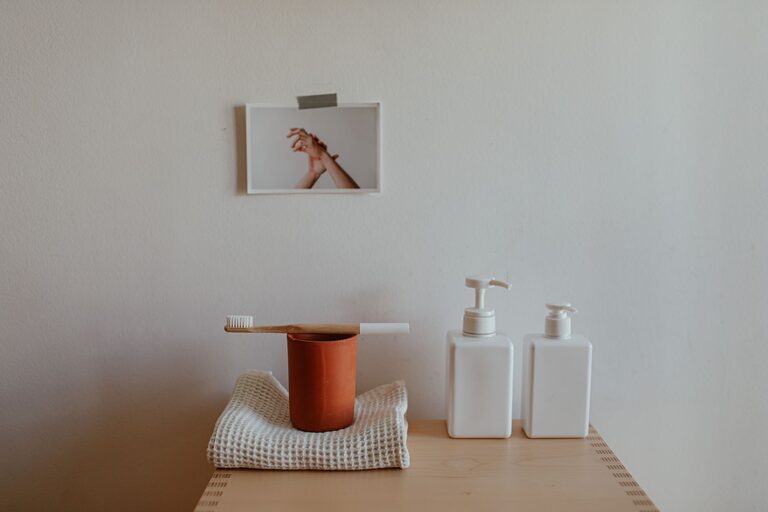
Self-care does not need to involve expensive products, memberships, or elaborate plans. Often, the most helpful habits are simple ways to pause, recharge, and make your everyday surroundings more comfortable.
At home, you can create small moments of care using items you already own. The key is to choose activities that fit your energy, schedule, and budget. Here are practical ideas to help you relax, reset, and enjoy your time at home without spending much money.
Create a Calming Start or End to Your Day
A gentle routine can make ordinary moments feel more intentional. You do not need to change your entire schedule. Start with one small habit that helps you slow down.
Try:
– Drinking water while sitting quietly for a few minutes
– Opening a window and letting in fresh air
– Playing soft music while you get ready
– Writing down three things you want to accomplish
– Turning off screens 30 minutes before bed
– Preparing a comfortable outfit for the next day
– Making tea, coffee, or another favorite drink and enjoying it without multitasking
Choose a routine that feels realistic. A five-minute pause can be just as valuable as a longer evening ritual.
Refresh One Small Area
Tidying your entire home can feel overwhelming, so focus on one small space instead. Clearing a nightstand, desk, kitchen counter, or chair can create a noticeable sense of calm.
Set a timer for 10 or 15 minutes. Put away items, recycle anything you no longer need, and wipe down the surface. When the timer ends, stop or continue if you feel motivated.
You can also refresh a space without buying anything:
– Rearrange books or decorative items
– Move a chair closer to natural light
– Fold blankets neatly
– Place a plant, photo, or favorite object where you can see it
– Group similar items together
– Change the lighting by using a lamp instead of overhead lights
A small improvement can make your home feel more inviting.
Enjoy a Simple At-Home Spa Moment
A relaxing self-care experience can be created with basic household items. Set aside a little time to focus on comfort and relaxation.
Consider taking a warm shower, washing your hair, or soaking your feet in warm water. Follow with clean pajamas or comfortable clothing. If you have a favorite lotion, use it after drying off. You can also place a warm towel around your shoulders for a few minutes.
Keep the experience simple and enjoyable. Dim the lights, play calming music, or read a few pages of a book. The goal is not to follow a perfect routine. It is to give yourself a quiet break from daily demands.
Try Gentle Movement
Movement can be a refreshing way to shift your mood and release some built-up energy. It does not have to be intense or structured.
Free options include:
– Stretching for five to ten minutes
– Walking around your home while listening to music
– Dancing to a few favorite songs
– Following a free beginner-friendly video
– Practicing simple balance exercises
– Doing light household chores at a comfortable pace
Choose movement that feels pleasant and suitable for your current energy level. If you have concerns about a particular activity, choose a gentler option or ask a qualified professional for guidance.
Make a Comforting Meal or Snack
Cooking can be both practical and relaxing when you keep it simple. Use ingredients you already have and choose a recipe with only a few steps.
You might prepare soup, toast with toppings, a bowl of fruit, pasta, or a favorite family recipe. Give yourself permission to make something easy. Self-care does not require a complicated meal.
To make the experience more enjoyable:
– Put on music or a podcast
– Use a plate or mug you especially like
– Sit at a table instead of eating while standing
– Add a colorful ingredient
– Clean up as you go to make the ending easier
Eating slowly and paying attention to the flavors can turn an everyday meal into a more satisfying break.
Take a Break From Digital Noise
Phones, computers, and streaming services can be useful, but constant notifications may make it harder to relax. Try creating a short screen-free period.
Start with 15 or 30 minutes. Place your phone on silent, turn off unnecessary notifications, and choose an offline activity. You could read, draw, organize photos, write, do a puzzle, or simply sit with a cup of tea.
If a full break feels difficult, create smaller boundaries. For example, avoid checking messages during meals or keep your phone away from your bed. A few limits can help you feel more present without requiring a major change.
Reconnect With a Hobby
Hobbies do not need to be expensive or productive. Their value often comes from giving you time to explore, focus, and enjoy the process.
Use supplies you already have to:
– Sketch or color
– Write a short story or journal entry
– Practice an instrument
– Try a new recipe
– Work on a craft project
– Learn a few phrases in another language
– Rearrange photos into a digital album
– Care for indoor plants
– Complete a puzzle or crossword
If you have not had time for a hobby recently, begin with just 10 minutes. Small sessions can help you rediscover activities that make you feel engaged.
Practice a Simple Mindfulness Exercise
Mindfulness can be as straightforward as paying attention to what is happening right now. You do not need special equipment or a perfectly quiet room.
Try this brief exercise:
- Sit comfortably and relax your shoulders.
- Notice five things you can see.
- Notice four things you can feel, such as your feet on the floor.
- Notice three sounds.
- Notice two scents.
- Notice one thing you appreciate about the moment.
You can also spend a few minutes focusing on your breathing, the taste of a drink, or the sounds around you. If your attention wanders, gently bring it back without criticizing yourself.
Make a Personal Comfort List
On busy days, it can be hard to think of things that might help you feel better. Create a list in a notebook or on your phone when you have time.
Include low-cost options such as:
– Taking a shower
– Calling a friend
– Sitting outside
– Listening to a favorite album
– Changing your bedsheets
– Reading a familiar book
– Making a warm drink
– Watching a lighthearted show
– Taking a short walk
– Going to bed a little earlier
Keep the list easy to find. When you need a break, choose one option instead of trying to decide from scratch.
Build a Routine That Fits Your Life
The best self-care routine is one you can maintain. You do not need to use every idea in this list. Pick one small activity for the morning, afternoon, or evening, and notice how it fits into your day.
Self-care can be free, flexible, and personal. Whether you tidy a corner, enjoy a quiet meal, stretch to music, or spend time on a favorite hobby, small actions can add comfort and balance to life at home. Start with what feels manageable, and let your routine grow naturally.