
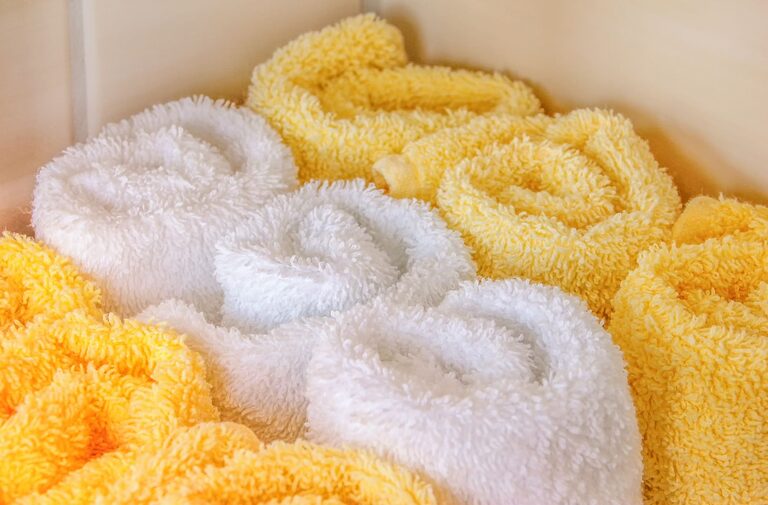
Fresh, fluffy towels can make an everyday shower feel more comfortable. However, towels often become stiff, dull, or musty when they are washed incorrectly, left damp, or coated with too much detergent and fabric softener.
The good news is that a few simple laundry and storage habits can help your towels stay clean, soft, and absorbent. Use the following tips to care for your towels and extend their useful life.
Wash Towels Separately
Whenever possible, wash towels in a separate load. Towels create lint, collect lint from other fabrics, and need plenty of room to rinse properly. Washing them with lightweight clothing can also cause zippers, buttons, and rough fabrics to rub against the towel loops.
Avoid overloading the washing machine. Towels need space to move freely through the water. A crowded drum may leave behind detergent, body oils, and odors.
For best results:
– Wash towels with other towels or similar heavy items.
– Leave enough space for the load to move freely.
– Separate white, light, and dark towels to help prevent color transfer.
– Check the care label before using a hot wash cycle.
Use the Right Amount of Detergent
Using more detergent does not necessarily make towels cleaner. Extra detergent can remain in the fibers, making towels feel stiff and reducing their ability to absorb water. Follow the instructions on your detergent container and adjust the amount for your load size and water conditions.
If your towels feel coated or less absorbent, try using slightly less detergent in future washes. An extra rinse can also help remove residue, especially if your washing machine offers a rinse option.
Avoid adding detergent directly onto dry towels when possible. Instead, add it to the washer’s dispenser or allow it to mix with water according to the appliance instructions.
Be Careful With Fabric Softener
Fabric softener can make some fabrics feel smooth, but frequent use may leave a coating on towel fibers. Over time, this coating can make towels less absorbent and give them a waxy or heavy feel.
If softness and absorbency are your priorities, consider skipping fabric softener for regular towel loads. If you use it occasionally, follow the product directions and avoid adding more than recommended.
Some laundry products are designed specifically for towels or athletic fabrics. These may help reduce buildup, but proper washing and rinsing are still important.
Choose a Suitable Water Temperature
Warm water can help remove oils and everyday residue, but the best temperature depends on the towel’s care label, color, and fabric. Hot water may be suitable for some sturdy white cotton towels, while colored or delicate towels may need a cooler cycle.
Always check the manufacturer’s instructions before choosing a temperature. Using water that is too hot can cause fading, shrinkage, or unnecessary wear.
A regular warm wash is often a practical choice for everyday cotton towels. Cooler settings can help save energy and may be appropriate for lightly used towels.
Add an Occasional Deep-Cleaning Cycle
Even with good daily habits, towels can develop detergent buildup or a musty smell. An occasional deep-cleaning wash may help refresh them.
One simple approach is to wash the towels without fabric softener and use an extra rinse. Some people also use a small amount of distilled white vinegar in the rinse compartment to help reduce residue. Do not mix vinegar with chlorine bleach, and follow your washing machine and product instructions.
For persistent odors, wash the towels separately and avoid adding more detergent than recommended. If the smell continues, inspect the washer for buildup or trapped moisture. A dirty washing machine can transfer odors back to clean laundry.
Dry Towels Thoroughly
Damp towels are more likely to develop unpleasant odors. Remove towels from the washer as soon as the cycle ends and dry them promptly.
A tumble dryer can help create a fluffy finish. Use a suitable heat setting based on the care label, and avoid very high heat unless the manufacturer allows it. Excessive heat can weaken fibers over time.
Dryer balls can help separate items and improve airflow. They may also reduce drying time and help towels feel less flat. Avoid overfilling the dryer, since tightly packed towels take longer to dry and may come out unevenly damp.
If you air-dry towels, hang them fully open rather than folded over a narrow bar. Good airflow helps moisture escape more quickly. Outdoor drying can leave towels feeling fresh, though direct sunlight may fade some colors.
Shake Towels Before and After Drying
Give each towel a quick shake before placing it in the dryer or on a drying rack. This helps loosen compressed fibers and prevents towels from drying in a tightly folded shape.
When the drying cycle is finished, shake the towels again and fold them once they are completely dry. If towels sit in the dryer for a long time after the cycle ends, they may become wrinkled and feel less fluffy.
Never store a towel while it is even slightly damp. Make sure the center, edges, and thicker sections are fully dry.
Keep Towels Well Spaced in the Bathroom
Bathroom humidity can make clean towels damp again. Hang used towels spread out on a wide bar or several hooks instead of leaving them in a heap. Avoid placing towels directly on the floor, over a closed shower door, or in a tightly packed pile.
If your bathroom remains humid, improve airflow by using a ventilation fan, opening a window when practical, or leaving the door open after bathing. These steps help towels dry between uses.
Wash bath towels regularly based on how often they are used and how quickly they dry. Towels that stay damp for long periods may need more frequent washing.
Store Towels Properly
Fold or roll towels only after they are fully dry. Store them in a clean, dry, well-ventilated cabinet or shelf. Avoid pressing too many towels into one small space, as limited airflow can contribute to stale odors.
Do not store towels beside strong-smelling cleaning products. Fabric can absorb nearby odors, even when the towels are clean.
For a neat linen closet:
– Keep the oldest towels toward the front.
– Avoid stacking towels so tightly that they lose their shape.
– Leave a little space between stacks.
– Refold towels if they become compressed or uneven.
– Store special-use towels separately from everyday towels.
Know When to Replace Towels
Even well-cared-for towels eventually wear out. Replace a towel when it has thinning areas, permanent odors, loose threads, rough patches, or poor absorbency that does not improve after washing.
You do not have to discard older towels immediately. Worn towels can be useful as cleaning cloths, pet towels, or household rags. This gives them a second purpose before they are thrown away.
With the right detergent habits, thorough drying, good airflow, and sensible storage, towels can remain fresh and comfortable for much longer. Small changes to your laundry routine can make a noticeable difference in both softness and absorbency.