A workspace should be more than a place to complete tasks. It can also support your comfort, reflect your personality, and help you feel ready for the day. Whether you work from home, study, or use a shared office, a few thoughtful changes can make your space feel more inviting and useful.
Personalizing your workspace does not require expensive furniture or a complete redesign. Small updates, such as adding a favorite color, improving your lighting, or organizing supplies, can make a noticeable difference. The key is to create a space that works well for your needs while still feeling like your own.
Start With a Clear Surface
Before adding decorations or accessories, take a few minutes to clear your desk. A clean surface makes it easier to see what you have and decide what belongs in the space.
Remove items that you no longer use, and move paperwork or supplies to a drawer, shelf, or storage box. Keep the tools you use most often within easy reach, such as:
– A notebook
– Pens or pencils
– Headphones
– A water bottle
– A calendar or planner
– Frequently used chargers
Try to leave some open space on the desk. An uncluttered area gives you room to write, arrange materials, or simply take a break from visual distractions.
Choose a Color Theme
Color is one of the easiest ways to make a workspace feel personal. You do not need to repaint the room. Instead, choose two or three colors and use them throughout the space.
For example, you might combine:
– Soft blue with white and natural wood
– Green with cream and gray
– Yellow with black and light wood
– Navy with warm beige and brass tones
Use your chosen colors in small details, such as a desk mat, storage containers, folders, artwork, or a chair cushion. A limited color theme can make the workspace feel more organized without looking overly matched.
If you share a room with others, choose removable items that can add color without changing the entire space.
Add Meaningful Decorations
Personal decorations can make your workspace feel welcoming. Choose items that bring back good memories, show your interests, or encourage creativity.
Consider adding:
– A framed photo
– A small piece of artwork
– A postcard from a favorite place
– A handmade object
– A decorative calendar
– A collection of small items
Try not to cover every available surface. One or two meaningful objects often have more impact than a large group of decorations. You can also rotate your items throughout the year to keep the space feeling fresh.
A small display shelf or pegboard can help you show favorite objects without taking up valuable desk space.
Bring in Some Greenery
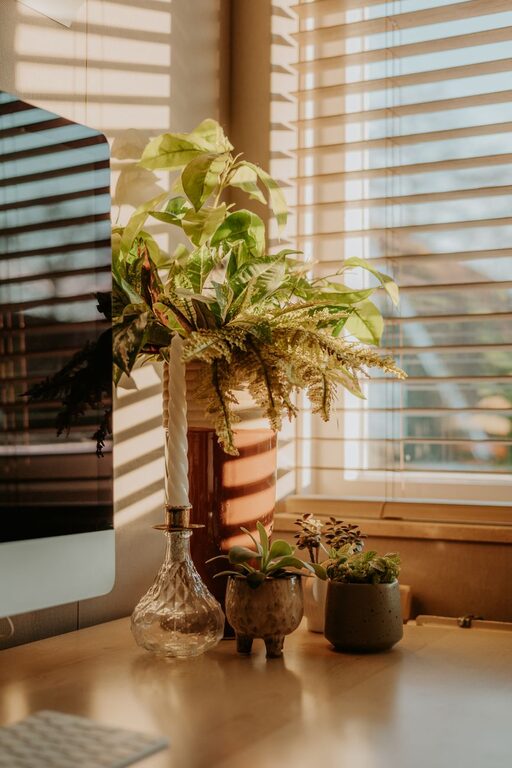
Plants can add color and texture to a workspace. If you have a sunny spot, a small indoor plant can be a pleasant addition. If your workspace has limited natural light or you prefer low maintenance, consider a small artificial plant instead.
Good options for a compact workspace include:
– Small potted plants
– Simple vases with dried flowers
– A hanging planter
– A small herb pot near a window
– Artificial greenery
Choose a container that matches your color theme or adds a contrasting accent. Keep plants away from electronics and make sure watering will not create a mess.
Improve Your Lighting
Lighting affects how a workspace looks and feels. If possible, place your desk near a window so you can benefit from natural light during the day. Arrange your monitor or work surface to reduce glare.
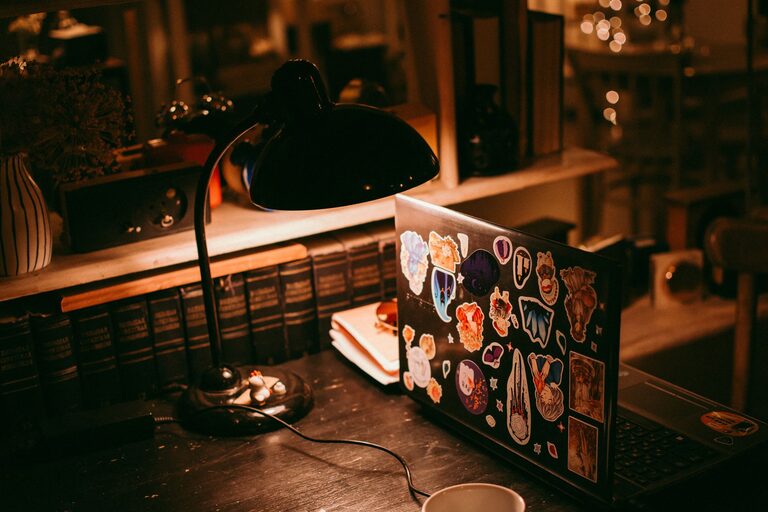
A desk lamp can make the space more comfortable in the evening or on cloudy days. Look for a lamp that fits your style and can be adjusted to direct light where you need it.
You might choose:
– A simple metal lamp for a modern look
– A wooden lamp for a warm, natural feel
– A colorful lamp for a cheerful accent
– A compact clip-on lamp for a small desk
Avoid using only one bright overhead light if it creates harsh shadows. Combining general room lighting with a desk lamp can create a more balanced setting.
Use Accessories That Reflect Your Style
Everyday workspace tools can also be part of your design. Look for accessories that are practical and visually appealing.
Examples include:
– A patterned desk mat
– A matching keyboard and mouse
– A fabric pencil holder
– A colorful file box
– A personalized notebook
– A decorative mouse pad
– A cable sleeve in a favorite color
Choose items that you will use regularly. Personalization works best when it supports your routine instead of adding objects that create more clutter.
If you prefer a simple look, choose accessories in neutral colors and add one bold feature, such as a bright chair cushion or an interesting desk lamp.
Organize Cables and Small Supplies
Cables can quickly make a workspace look untidy. Simple cable management can improve both the appearance and function of your desk.
Start by identifying which cords you use every day. Bundle related cables together with reusable ties, clips, or sleeves. Label chargers if you have several that look alike. Keep extra cords in a small box or drawer instead of leaving them on the desktop.
For small supplies, use containers that match your style. A shallow tray can hold everyday items, while small boxes can organize clips, adapters, and spare batteries. Clear containers make it easier to see what you have, while solid-color containers create a cleaner visual appearance.
Make Comfort Part of the Design
A personalized workspace should also be comfortable. Small comfort-focused changes can make the area more pleasant to use throughout the day.
Consider adding:
– A supportive seat cushion
– A footrest
– A soft throw for cooler days
– A wrist rest
– A comfortable pair of headphones
– A water bottle or mug you enjoy using
Arrange your monitor, keyboard, and chair so that you can work naturally without constantly reaching or twisting. Your workspace can look attractive while still giving priority to comfort and practical use.
Create a Small Inspiration Area
An inspiration area can give your workspace a sense of purpose. This might be a corkboard, a magnetic board, a small wall shelf, or a section of the wall near your desk.
Use it for items such as:
– A weekly plan
– Short reminders
– Favorite quotes
– Sketches
– Color swatches
– Photos
– Project ideas
Keep the display selective. Replace old notes and images regularly so the area stays useful instead of becoming another source of visual clutter.
Personalize Without Permanent Changes
If you work in a rented home, shared office, or temporary space, focus on updates that are easy to remove. Removable hooks, framed prints, desk accessories, fabric panels, and portable storage can add personality without changing the room permanently.
A rolling cart is another flexible option. It can hold supplies and move when needed. A folding screen, small rug, or decorative lamp can also help define a workspace within a larger room.
Refresh the Space Regularly
Your needs and preferences may change over time. Set aside a few minutes every month to review your workspace. Remove items that are no longer useful, adjust your storage, and update decorations as needed.
Ask yourself:
– What do I use every day?
– What creates unnecessary clutter?
– Is the lighting comfortable?
– Does the space still reflect my style?
– What small change would make the area easier to use?
Personalizing a workspace is an ongoing process, not a one-time project. Start with one simple update, such as clearing the desk, adding a favorite color, or improving the lighting. Over time, these small choices can create a workspace that feels comfortable, organized, and distinctly yours.